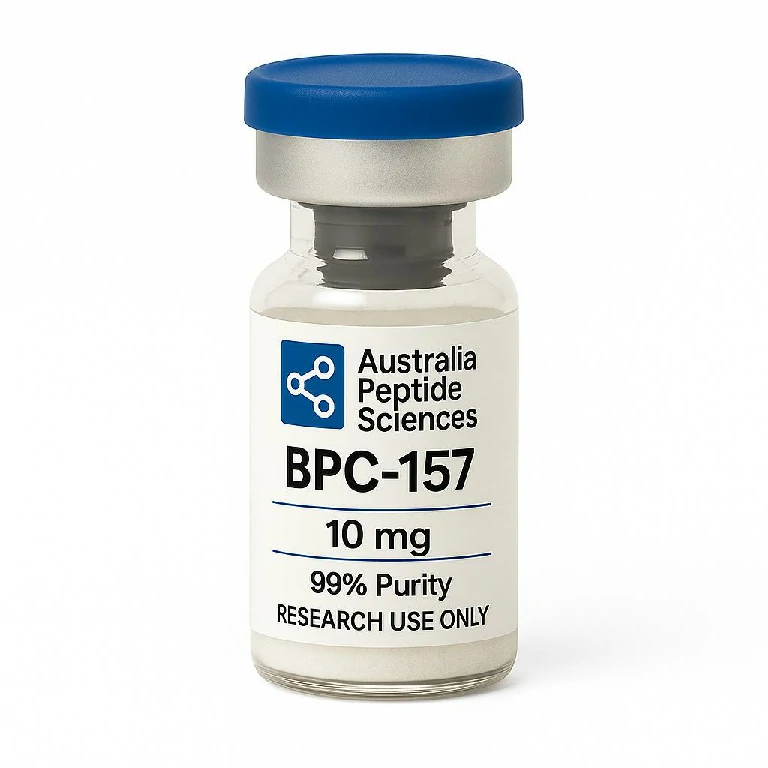
Glp-1 Peptide Reconstitution Storage Space Protocol These injury recovery peptides sustain tissue repair work, reduce inflammation, and speed up recovery procedures. Reconstituting with 1mL creates a 10,000 mcg/mL focus. A 250mcg dose would require drawing just 0.025 mL, or 2.5 devices. A lab layer safeguards your apparel from potential spills and minimizes the quantity https://direct-sarms.com/ of environmental particles that enters your work space from your individual. Closed-toe footwear and lengthy pants round out basic laboratory attire. Mistakes during peptide synthesis and degradation products of thepeptide are possible contaminations. An LC-MS/MS analysis of the peptide must beperformed to figure out if peptide contaminations exist and to offer a roughestimate of their amounts relative to the analyte peptide. If relative web content ofpeptide pollutants are high, a filtration of the analyte peptide need to beperformed prior to AAA. Do it incorrect and you have actually simply ruined weeks of anticipated study. Do it right and your peptide preserves maximum potency via every dose. Optional equipment that improves your method consists of nitrile handwear covers for managing vials, a tiny refrigerator dedicated to peptide storage, and a timer for tracking reconstitution soak durations. None of these are strictly essential, yet each includes a layer of protection. Bacteriostatic water has 0.9% benzyl alcohol, a preservative that hinders microbial growth. The pH generally runs slightly acidic, around 5.7, which most peptides tolerate well. MALDI-MS spectra of reduced purity (A) and high-purity (B) peptides. The internalstandard was an artificial peptide (Glu-Fib). Reconstituted peptides are highly conscious environmental factors such as temperature level, moisture, and dampness exposure. Reconstitution begins as a solvent is infused into the peptide vial under sterile conditions. Storage space and handling come to be much more purposeful when considered along with delivery, paperwork, transparency, and purity requirements. Where special solvents or managing are recommended, PRG offers assistance to make certain success. For long-lasting storage, maintain lyophilized peptides at -20 ° C to -80 ° C. At these temperature levels, properly secured peptides remain stable for years. Some makers assure 4+ years of life span under optimal fridge freezer storage space. To avoid pitfalls in translating targeted LC-MS/MS peptide and proteinmeasurements, it is essential to effectively recognize the measurand (i.e., the quantityintending to be determined).
What cancels out peptides?
Salicylic acid''s exfoliating action might undercut the peptides, diminishing their skin-repairing advantages. Referral: To stay clear of any kind of communication, use salicylic acid and peptide items at various times. As an example, incorporate salicylic acid in your morning regimen and peptides in your evening routine.
Common Storage Mistakes
Thus, the top quality of peptides is a significant component of reliablequantification. Specifications are offered purified peptides and for" crude" or unpurified peptides. Moisture and oxygen exposure in a similar way bring about oxidation and hydrolysis. Lasting peptide storage under controlled conditions-- reduced temperature, minimal wetness, and protection from light-- can significantly prolong service life and maintain peptide stability [3,4]Peptide Reconstitution, Storage Space & Managing Guide
- When examining carriermolecules, caution ought to be required to select parts that do not interferewith discovery of the target peptide or exceedingly contribute to samplecomplexity or tool contamination.At 2,500 mcg/mL concentration, drawing 0.1 mL delivers 250mcg of peptide.The pH normally runs a little acidic, around 5.7, which most peptides endure well.Specs are provided for detoxified peptides and for" crude" or unpurified peptides.
The Major Variables That Impact Peptide Security
Higher temperature levels decrease the stamina of hydrogen bonds. All α-amino acids are crooked molecules except glycine. Enantiomers differ considerably in their organic task. Fmoc- SPPS (solid-phase peptide synthesis) is the main method. The peptide is extended starting from the C-terminus to the N-terminus of the series.